
Physiotherapy
Physiotherapy
Physiotherapy isn't simply about treating the area that hurts.
Understand the problem. Build your way forward.
Assessment and treatment focused on comfortable movement, confidence and the activities that matter to you.
At Midlands Physio, we take time to understand your symptoms, how they are affecting you and what you want to get back to. We then work with you to develop a clear plan to help you move better, build your confidence and get back to the activities that matter to you.
Whether you're dealing with a recent injury, ongoing pain or a problem that keeps coming back, our aim is to help you understand what's happening and give you the tools to manage it.
A practical, individual approach
Everyone's problem is different.
Two people can have pain in the same area but need very different approaches depending on how their symptoms started, their lifestyle, work, activity levels and what they want to get back to.
We’ll look beyond the painful area to understand what may be contributing to your symptoms and how the problem is affecting your movement and function.
Treatment will then be tailored to you rather than following a standard programme.
Your Treatment Journey
A clear plan from assessment to recovery
01 — Understand the problem
We’ll listen to your story, assess your symptoms and look at the movements and activities that are important to you.
We’ll also consider your previous injuries, your work, exercise and other factors that may be relevant to your problem.
02 — Make sense of what's happening
We’ll explain what we think is contributing to your symptoms and answer your questions so that you understand what you're dealing with.
Understanding your problem can be an important part of recovery and can give you more confidence about what you can and can't do.
03 — Start making progress
Depending on your problem, this may involve hands-on treatment, exercise, movement and practical advice to help you feel and move better.
The treatment will be guided by your symptoms, your goals and how you respond.
04 — Build your strength and confidence
As your symptoms improve, we'll gradually increase what you can do.
This might mean returning to normal daily activities, building your strength, getting back to work, returning to running or progressing towards sport and exercise.
05 — Help you stay in control
The aim isn't simply to get you feeling better.
We’ll give you the knowledge and tools to understand your problem, manage your symptoms and maintain your progress so that you feel more confident looking after yourself in the future.
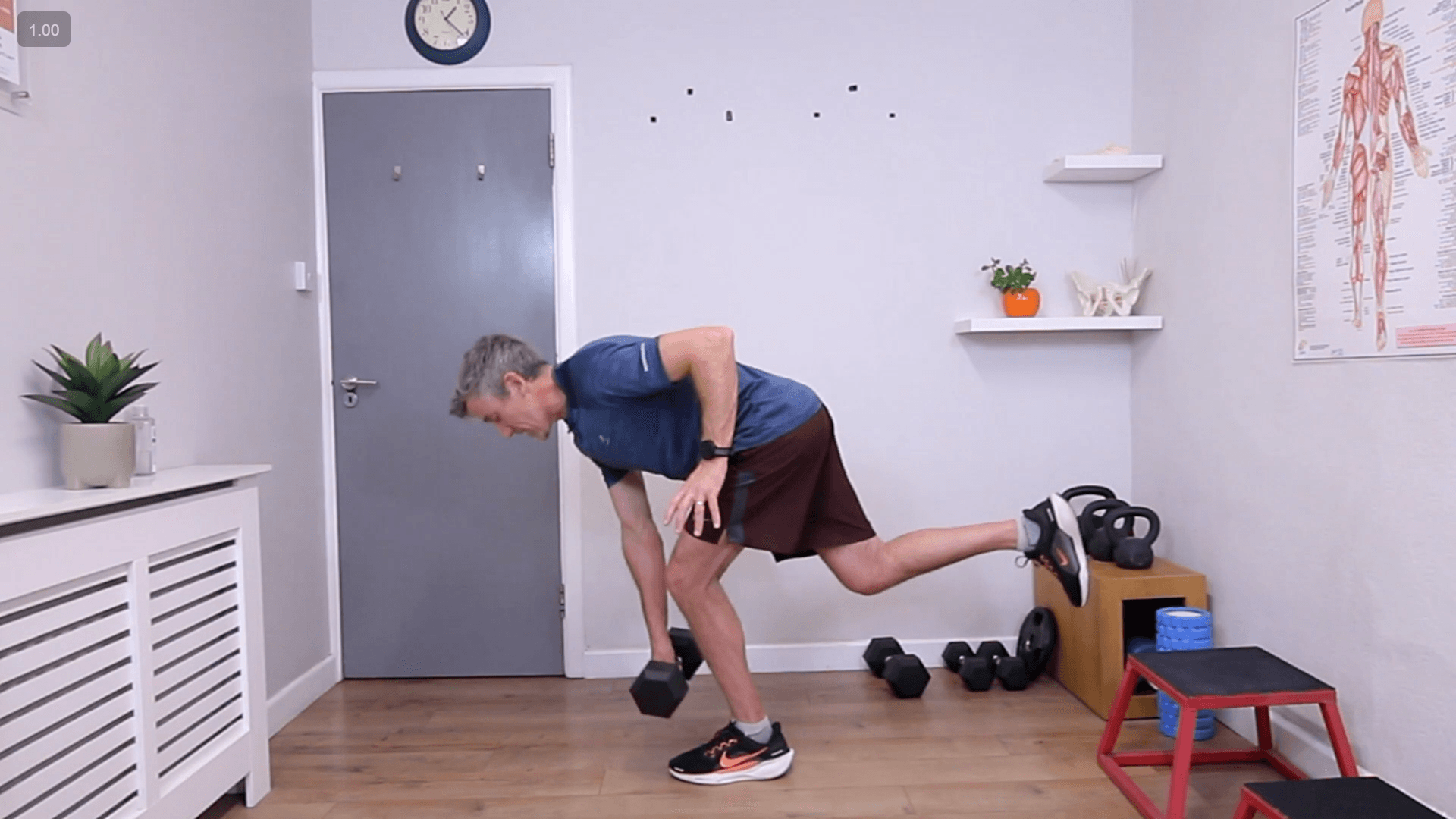
More than just your appointment
Your recovery doesn't stop when you leave the clinic.
Where exercise is part of your treatment, you'll have access to a personalised online exercise programme with videos and clear instructions.
We'll make sure you understand what you're doing and why, so you can work confidently between appointments.
You'll also receive helpful follow-up information where appropriate, giving you ongoing support as you progress.
The aim is to give you a clear plan to follow outside the clinic rather than leaving you wondering what to do between appointments.
What can physiotherapy help with?
Physiotherapy can help with a wide range of pain, injuries and movement problems.
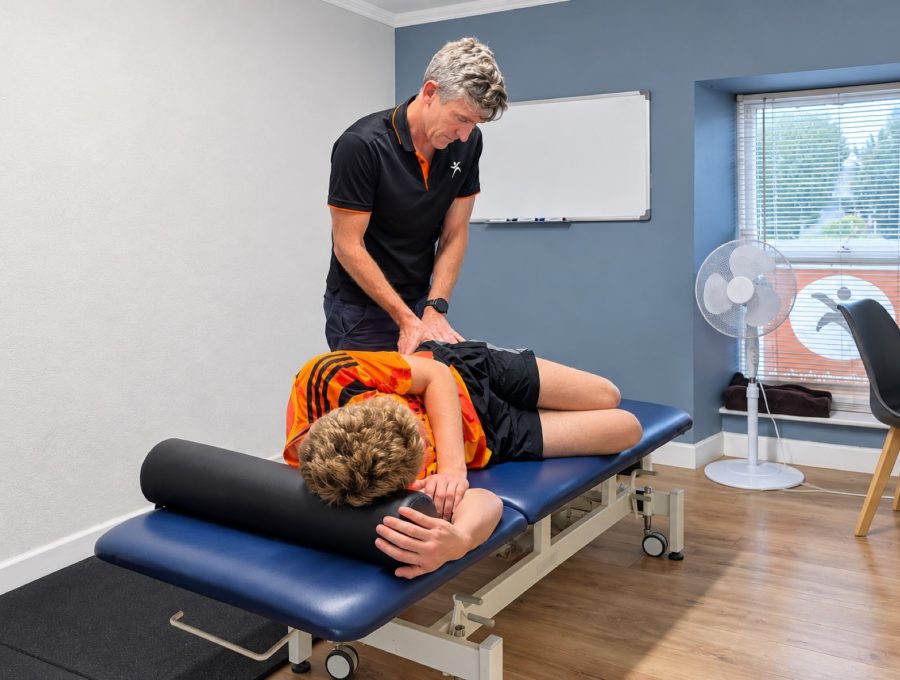
Back & neck
Back pain, sciatica, neck pain and headaches.
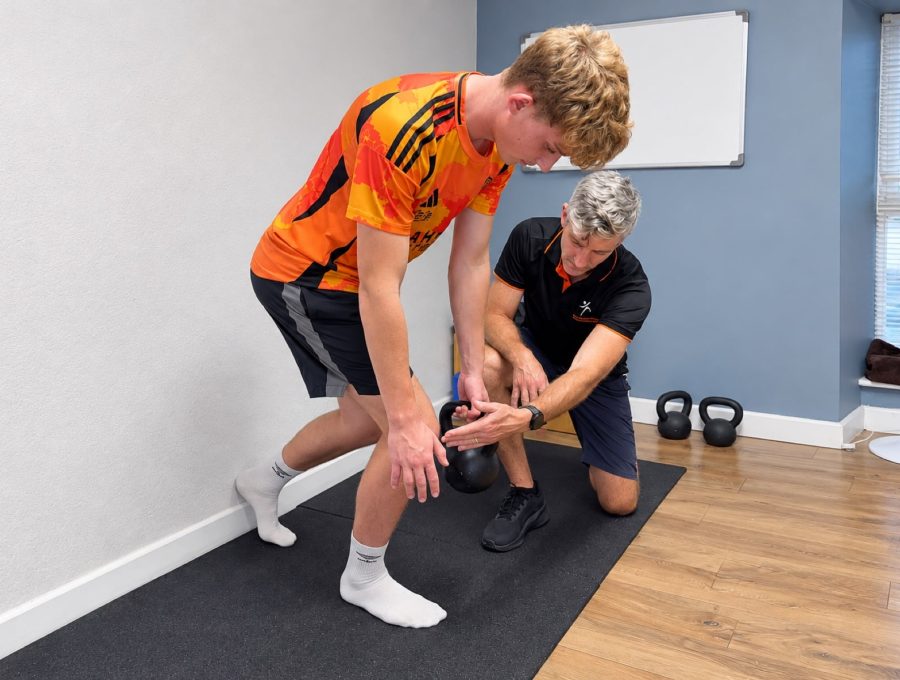
Knee
Knee pain, arthritis, running-related knee problems and injuries.
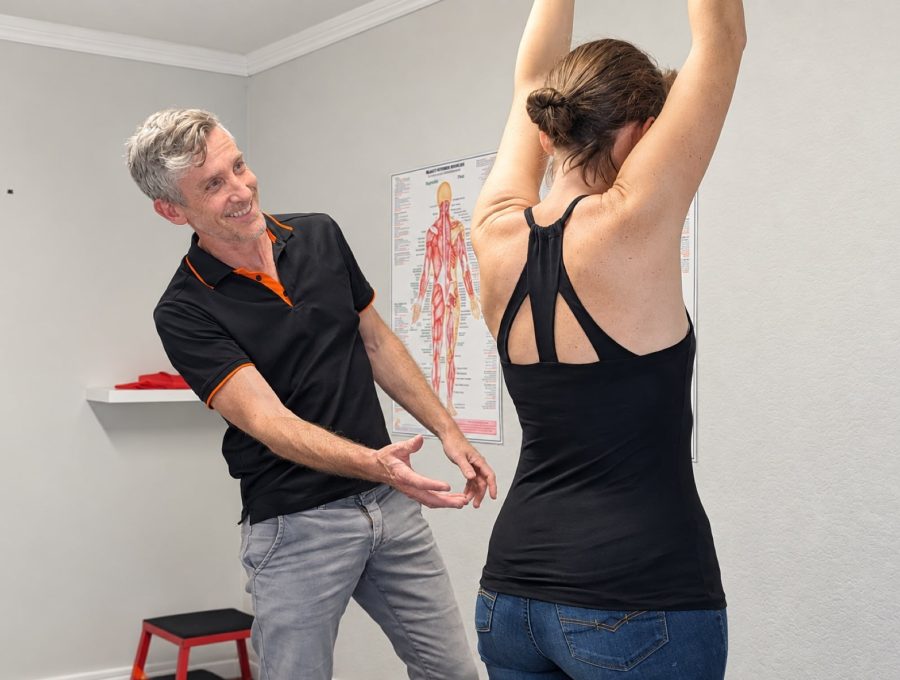
Shoulder
Shoulder pain, rotator cuff problems, frozen shoulder and injuries.
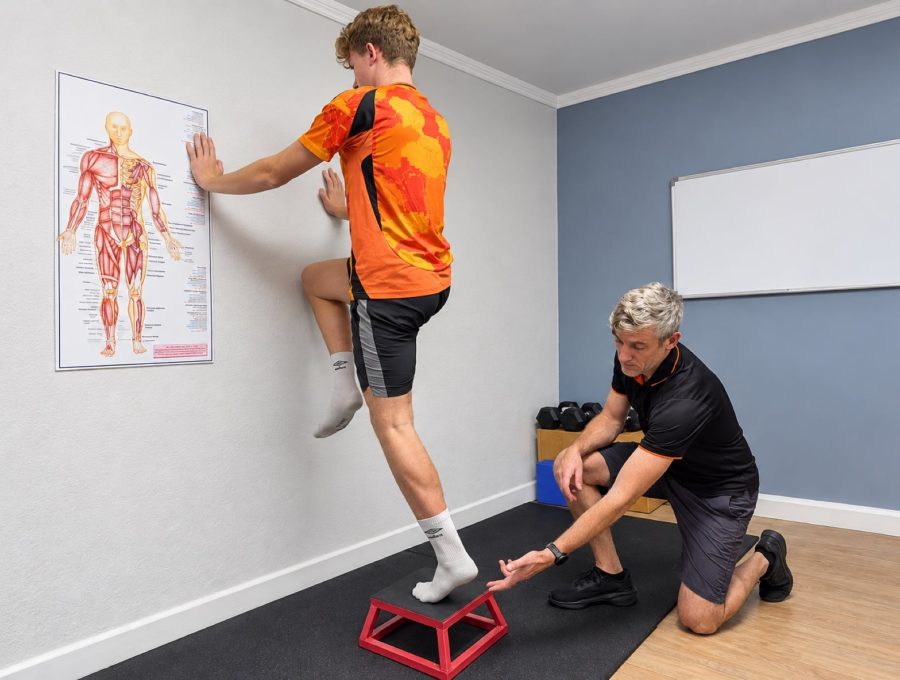
Foot & ankle
Ankle sprains, Achilles problems, plantar heel pain and running-related foot problems.
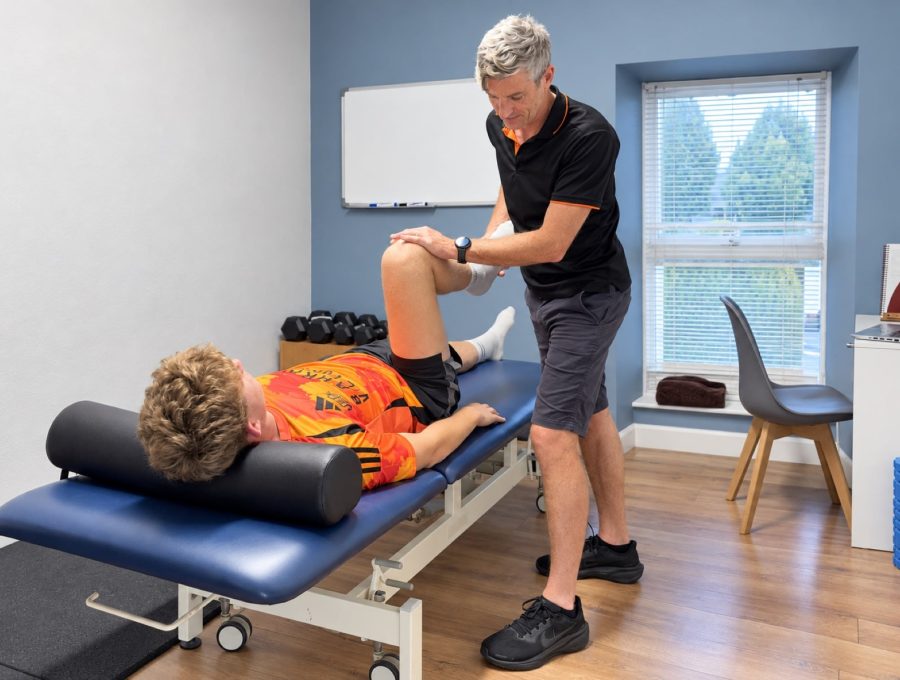
Hip & groin
Hip pain, arthritis, tendon problems and groin injuries.

Running & sports injuries
Running injuries, muscle and tendon problems and injuries affecting exercise and sport.
Learn more about Running InjuriesView all conditions we treat
Physiotherapy for all ages and activity levels
You don't need to be an athlete to benefit from physiotherapy.
We work with people of different ages and activity levels, from those who simply want to get through everyday activities more comfortably to runners and sportspeople working towards specific goals.
Whether you're dealing with your first episode of pain, recovering from an injury or trying to get back to an activity you've had to give up, we'll focus on what matters to you.
When should I see a physiotherapist?
You don't necessarily need to wait until a problem becomes severe before getting it assessed.
It may be worth arranging an assessment if:
- Pain is affecting your normal activities
- An injury isn't improving as expected
- You're having difficulty returning to exercise or sport
- A problem keeps coming back
- You are unsure what is causing your symptoms
- You're worried about making things worse by exercising
- Pain or stiffness is affecting your work, sleep or everyday life
- You've tried managing the problem yourself but aren't making progress
A thorough assessment can often give you a clearer idea of what's happening and what you can do next.
Frequently asked questions
Do I need a GP referral to see a physiotherapist?
Most people can book a physiotherapy assessment directly without a GP referral.
If we feel another medical opinion, investigation or service would be more appropriate, we'll explain that clearly and advise you on the next step.
How many physiotherapy appointments will I need?
This depends on your problem, how long you've had it and how you're progressing.
Some problems may only require a small number of appointments, while more complex or longstanding problems may need longer-term rehabilitation.
The aim is always to give you the knowledge and tools to become confident managing your problem yourself rather than creating unnecessary dependence on treatment.
Will I get exercises?
Exercise is often an important part of physiotherapy, but it isn't automatically the same for everyone.
Your programme will depend on your symptoms, your goals and what you need to get back to.
Where appropriate, you'll receive a personalised online exercise programme with videos and instructions to help you work on your rehabilitation between appointments.
Do I need a scan before seeing a physiotherapist?
Usually not.
Many musculoskeletal problems can be assessed clinically without an X-ray or MRI. If we think further investigation is appropriate, we'll explain why and advise you on the next step.
Will I get hands-on treatment?
Hands-on treatment can be useful for some problems and may help reduce pain or improve movement.
However, it is usually just one part of treatment rather than the whole solution. Where appropriate, we'll combine it with exercise, advice and rehabilitation to help you make longer-term progress.
Ready to get started?
If pain or injury is affecting your everyday life, work, exercise or sport, a physiotherapy assessment can help you understand what's going on and what you can do about it.
At Midlands Physio in Moate, we'll work with you to develop a clear plan based on your symptoms, your needs and what you want to get back to.