
Physiotherapy for running injuries
Physiotherapy for running injuries
Running is a great way to stay fit, but injuries can quickly put a stop to your training.
Running should be something you enjoy, not something you constantly worry about
Whether you've developed pain gradually or picked up an injury during a run, it can be frustrating trying to work out what you should and shouldn't be doing.
You may have tried resting, changing your shoes, reducing your mileage or following advice you've found online, but still not be sure why the problem keeps coming back.
At Midlands Physio, I work with runners of all abilities, from people just getting started to experienced runners training for races.
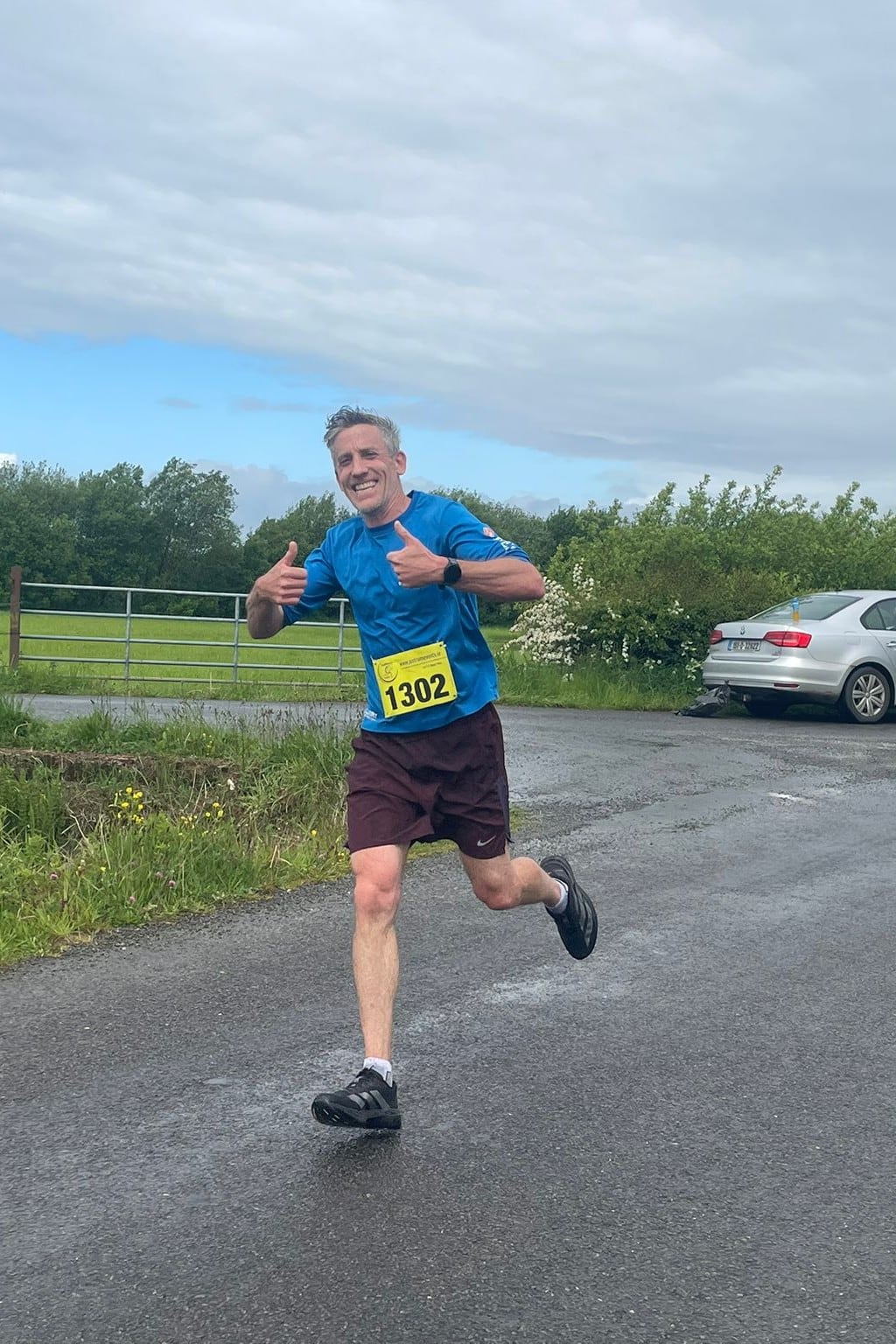
A physiotherapist who runs too
As a runner myself, I understand the frustration of having to change your training because of an injury — whether you're training for a race, trying to improve your times or simply running because you enjoy it.
As a physiotherapist, I combine my own experience of running with my clinical experience in injury assessment and rehabilitation. My aim is to help you understand what's causing your problem, work out what you can safely do while you recover and gradually get you back to the running you enjoy.
Common running injuries
Running injuries can affect almost any part of the body. Some develop gradually as training loads change, while others can follow a particular run, race or training session.
Common problems I see include:
- Knee pain
- Achilles tendon pain
- Calf and shin pain
- Plantar heel pain and plantar fasciitis
- Ankle pain and recurrent ankle sprains
- Hip and groin pain
- Gluteal and lateral hip pain
- Hamstring injuries
- Running-related lower back pain
- Foot pain
- Tendon and muscle injuries
- Pain that develops when increasing mileage or speed
You don't necessarily need to have a specific diagnosis before coming to see me. A thorough assessment can help identify what is likely contributing to your symptoms and what you can do to improve them.
Why do running injuries happen?
There is rarely one single reason why a running injury develops.
Sometimes there is a clear change in training, such as increasing your mileage, adding more speed work or suddenly running more hills.
At other times, the change can be less obvious. You may have changed your training after a period of reduced activity, started running more frequently, changed your usual surfaces or simply reached a point where the demands of running have increased beyond what your body is currently able to tolerate.
Sleep, stress, strength, previous injuries and other aspects of your training and lifestyle can also influence how well you cope with running.
This doesn't mean that running is damaging your body. Often, the key is finding the right balance between training load, recovery and your current capacity.
How can physiotherapy help?
It starts with a thorough assessment
Before deciding what treatment you need, I'll take time to understand your symptoms, your running and what you want to get back to.
I'll assess your movement, strength and function and explain what I think may be contributing to your problem.
From there, we'll agree on a clear treatment plan based on your individual needs and running goals.
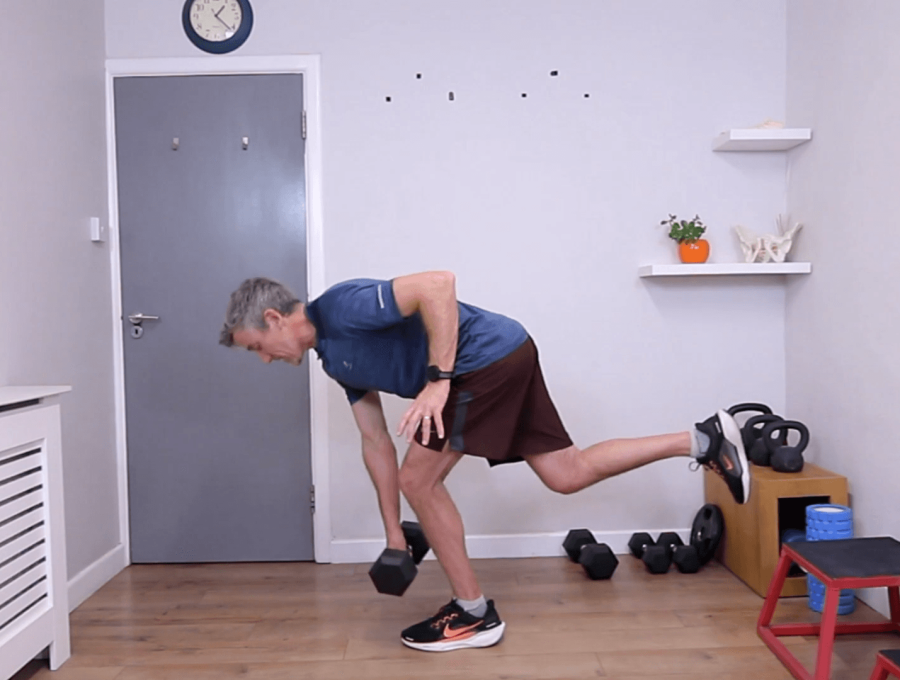
Exercise & strengthening
Exercise is often an important part of recovering from a running injury.
Depending on your problem, this might involve strengthening specific muscles, improving mobility or gradually increasing the amount of load your body can tolerate.
Your programme will be tailored to you and progressed as your symptoms, strength and running improve.
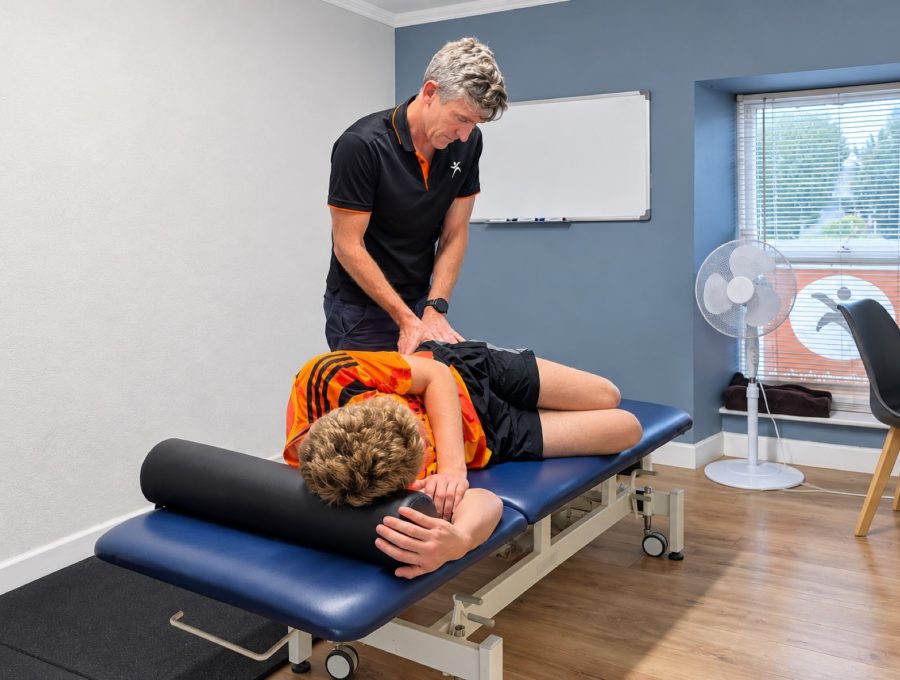
Hands-on treatment
Hands-on treatment can sometimes help reduce pain, improve movement and make it easier to exercise.
Where appropriate, I may use techniques such as joint or soft tissue treatment as part of your overall rehabilitation.
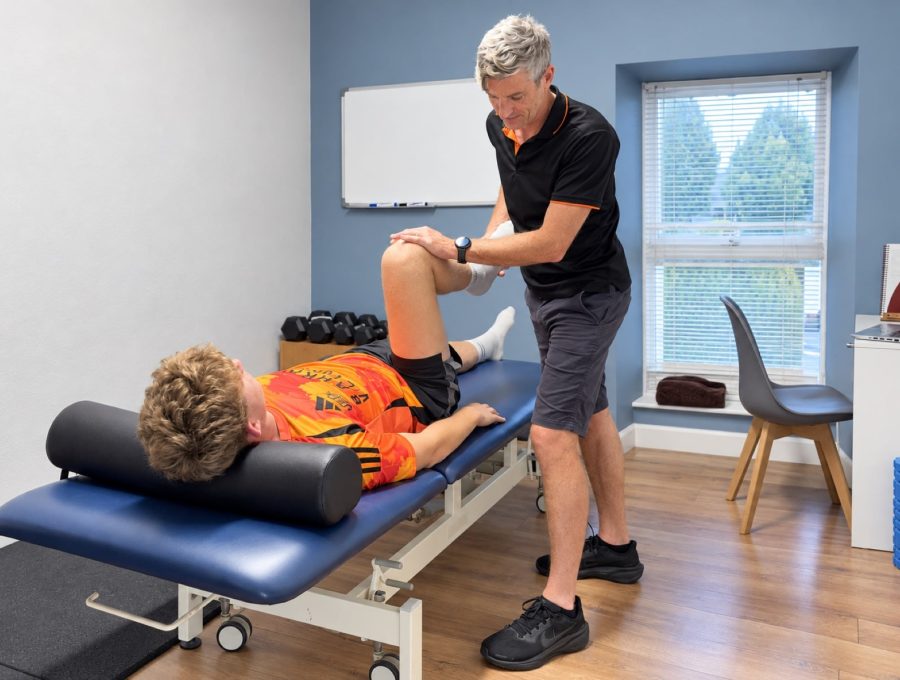
Advice & education
Understanding your injury can make a big difference.
I'll explain what I think is causing your symptoms, what you can safely continue doing and how to modify your training while you recover.
The aim is to help you become more confident in managing your running rather than feeling that you have to stop every time something hurts.

Returning to running
Getting you back to running is an important part of rehabilitation.
Rather than simply telling you to rest until the pain disappears, we'll look at how you can gradually reintroduce running and build your training back up.
This may involve modifying your mileage, pace, hills or frequency initially before gradually returning to your normal training.

Support doesn't stop when you leave the clinic
Your recovery doesn't stop when you leave your appointment. Where appropriate, you'll have access to a personalised online exercise programme with videos and instructions, along with helpful follow-up information to guide you through your recovery.
When should I see a physiotherapist about my running?
It can be useful to get assessed if:
- Pain is changing the way you run
- You are repeatedly having to stop or cut runs short
- Your pain is getting worse as your training progresses
- An injury keeps returning when you start running again
- You have pain that is affecting your training or racing
- You aren't sure whether you should continue running
- You've rested but the problem keeps coming back
- You're worried about an injury and don't know what to do next
You don't have to wait until an injury becomes severe before getting it assessed.
Want to build more strength alongside your running?
Not every runner needs an injury assessment.
If you're already running regularly and want to build more strength and physical capacity alongside your running, Run Long Run Strong may be a good fit.
It's a six-week strength and mobility programme designed for everyday runners who want a practical way to complement their running with structured strength work.
Running in Moate, Westmeath and the Midlands
I work with runners from Moate, Athlone, Mullingar and surrounding areas, with runners of different ages and abilities coming to Midlands Physio for assessment and rehabilitation.
Whether you're just getting started, returning after an injury or training towards a specific race, I'll work with you to develop a plan that fits your running and your goals.
Frequently asked questions
Do I have to stop running if I'm injured?
Not necessarily.
For many running injuries, complete rest isn't the only option and may not be necessary.
Depending on your symptoms, we may be able to modify your training so that you can continue running while your injury settles and your capacity improves.
This might mean temporarily reducing mileage, avoiding faster sessions, changing the frequency of your runs or using alternative forms of exercise.
The right approach will depend on the individual injury and how you respond to load.
What if my running injury keeps coming back?
If an injury repeatedly returns, it's worth looking beyond the symptoms themselves.
We can look at your recent training, how quickly your running has progressed, your strength and capacity, previous injuries and how you are managing recovery.
The aim isn't to make you afraid of increasing your training. It's to help you understand how much load you can currently tolerate and gradually build your capacity so that you're better prepared for the demands of running.
How long will my running injury take to recover?
This depends on the type of injury, how long you've had it and how your body responds to rehabilitation. I'll give you a clearer idea of what to expect after assessing you.
Do I need a scan for a running injury?
Not usually. Many running injuries can be assessed clinically without imaging. If I think further investigation is appropriate, I'll explain why and advise you on the next step.
Can I see a physiotherapist even if I don't know what injury I have?
Yes. You don't need to arrive with a diagnosis. A thorough assessment can help identify what is likely causing your symptoms and what you can do to improve them.
Can physiotherapy help prevent running injuries?
Physiotherapy can help identify factors that may be contributing to repeated problems and help you build strength and capacity. It can't guarantee that you'll never get injured, but it can give you a better understanding of how to manage training and respond to problems early.
Ready to get back to running?
If an injury is stopping you from running, or you're unsure what you should be doing next, get in touch to arrange an assessment.